Describe the picture in measurable terms
For figure classification, list properties such as number of sides, open versus closed outline, rotation, shading, number of internal marks and symmetry axes. Count before guessing from overall appearance. A rotated square remains a square; rotation changes orientation, not the number of vertices or adjacency. A mirror image can preserve many properties while reversing handedness, so inspect the intended rule carefully.
Look across all four options
The correct odd figure should fail a rule shared by the other three. For instance, if three figures each have exactly one shaded region and one has two, shading is a clear classifier. A more subtle item may have equal vertex count but different order of symbols along the boundary. Trace clockwise from a chosen reference mark to check order. Do not mix two unrelated differences to create a contrived group.
Complete a missing pattern
In a four-quadrant pattern, compare the left and right halves and the top and bottom halves. Ask whether a shape is copied, mirrored, rotated or inverted. Mark a feature such as a dark corner and track its position across the grid. If a horizontal reflection carries top-left to top-right, apply the same operation from bottom-left to the missing bottom-right. The entire candidate figure must satisfy the rule, including small dots, line direction and fill.
Visual checking routine
Cover the options and predict the missing feature when possible. Then compare one feature at a time rather than allowing a visually similar distractor to dominate. On paper, draw a small arrow or shaded-cell sketch next to the grid. The figure sets in this book are original code-drawn practice images; the diagrams are part of the question, so use the PDF or Word edition at a readable size. In review, name the transformation in words and show where each option fails it.
Practice — 50 questions
Attempt every item before reading the answers below. Figure questions require the printed or on-screen diagram.
1. Three of the four figures below are alike in a certain way and so form a group. Which one does NOT belong to that group?
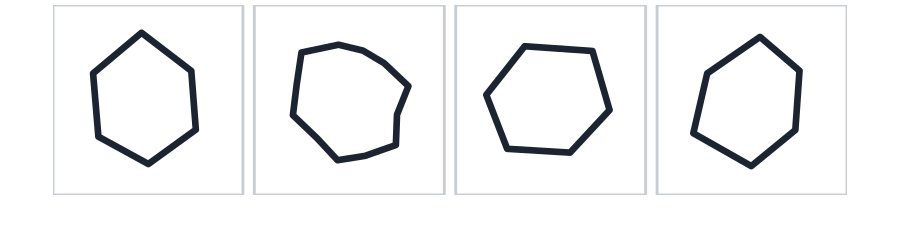
A. Figure A B. Figure B C. Figure C D. Figure D
2. Three of the four figures below are alike in a certain way and so form a group. Which one does NOT belong to that group?
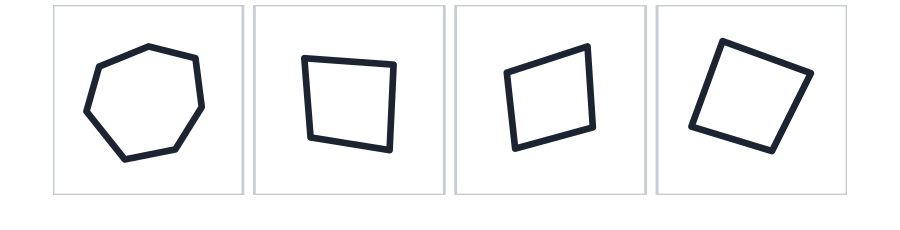
A. Figure A B. Figure B C. Figure C D. Figure D
3. Three of the four figures below are alike in a certain way and so form a group. Which one does NOT belong to that group?
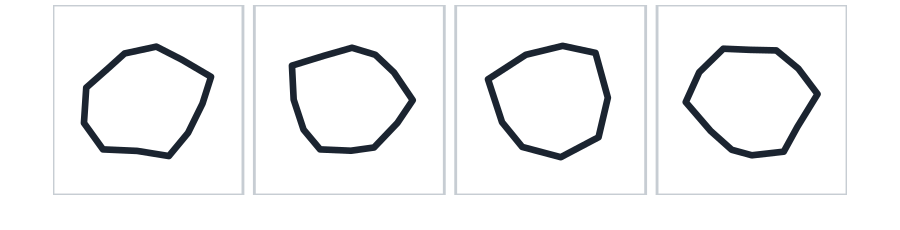
A. Figure A B. Figure B C. Figure C D. Figure D
4. Three of the four figures below are alike in a certain way and so form a group. Which one does NOT belong to that group?
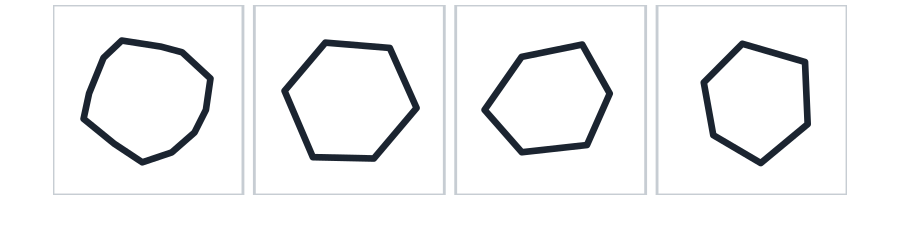
A. Figure A B. Figure B C. Figure C D. Figure D
5. Three of the four figures below are alike in a certain way and so form a group. Which one does NOT belong to that group?
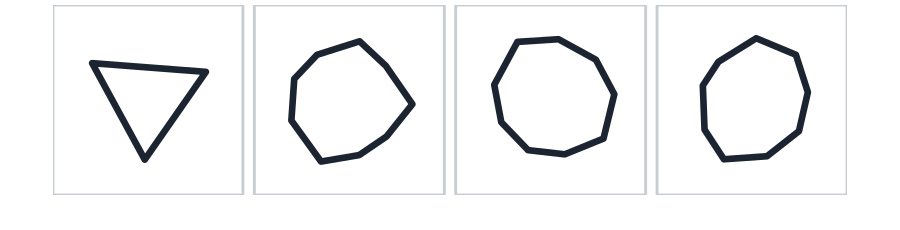
A. Figure A B. Figure B C. Figure C D. Figure D
6. Three of the four figures below are alike in a certain way and so form a group. Which one does NOT belong to that group?
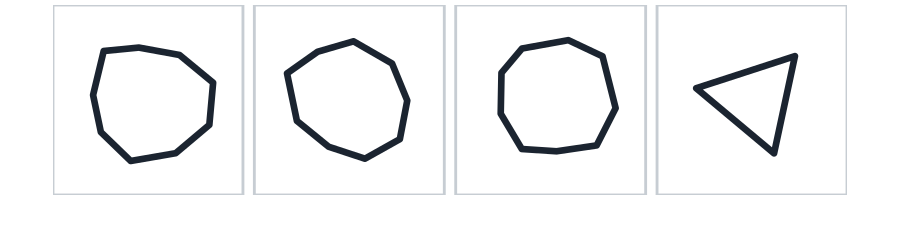
A. Figure A B. Figure B C. Figure C D. Figure D
7. Three of the four figures below are alike in a certain way and so form a group. Which one does NOT belong to that group?
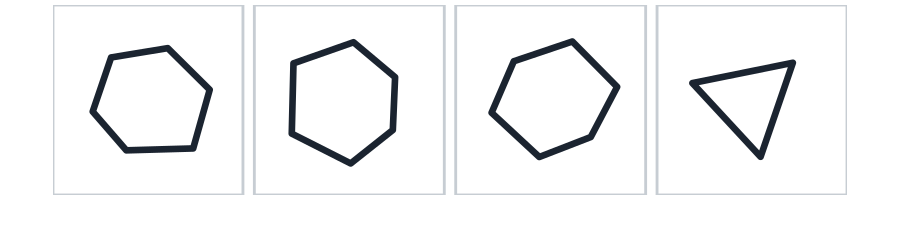
A. Figure A B. Figure B C. Figure C D. Figure D
8. Three of the four figures below are alike in a certain way and so form a group. Which one does NOT belong to that group?
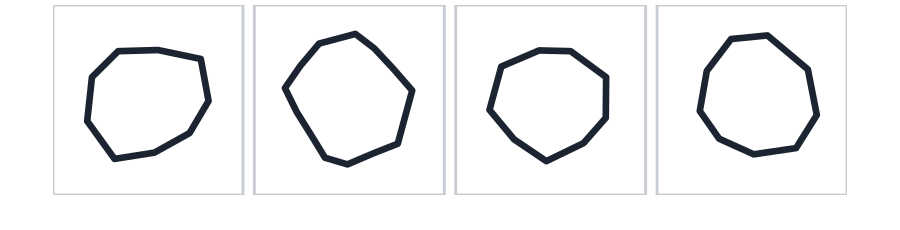
A. Figure A B. Figure B C. Figure C D. Figure D
9. Three of the four figures below are alike in a certain way and so form a group. Which one does NOT belong to that group?
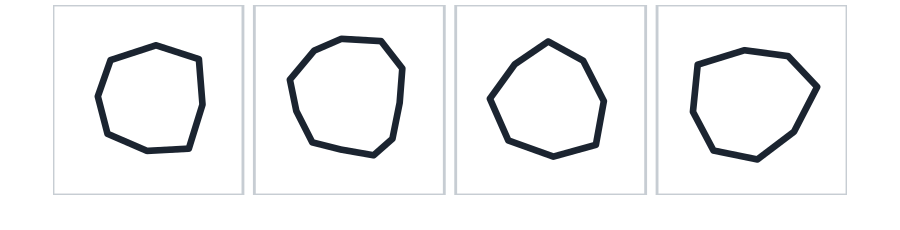
A. Figure A B. Figure B C. Figure C D. Figure D
10. Three of the four figures below are alike in a certain way and so form a group. Which one does NOT belong to that group?
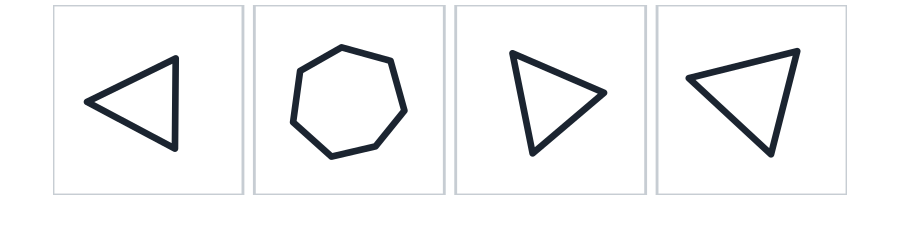
A. Figure A B. Figure B C. Figure C D. Figure D
11. Three of the four figures below are alike in a certain way and so form a group. Which one does NOT belong to that group?
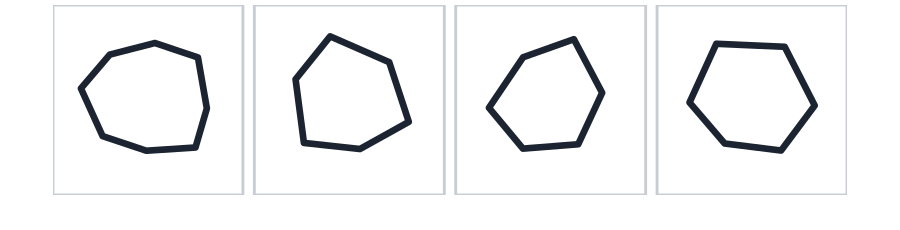
A. Figure A B. Figure B C. Figure C D. Figure D
12. Three of the four figures below are alike in a certain way and so form a group. Which one does NOT belong to that group?
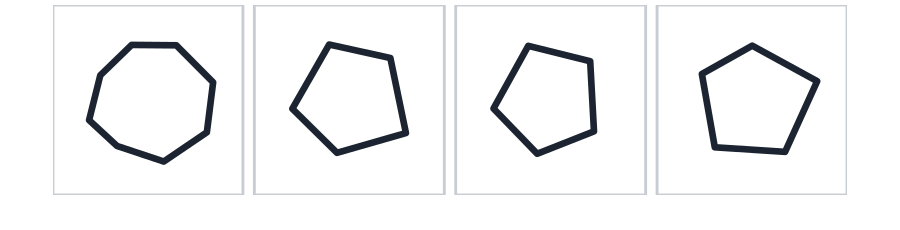
A. Figure A B. Figure B C. Figure C D. Figure D
13. Three of the four figures below are alike in a certain way and so form a group. Which one does NOT belong to that group?
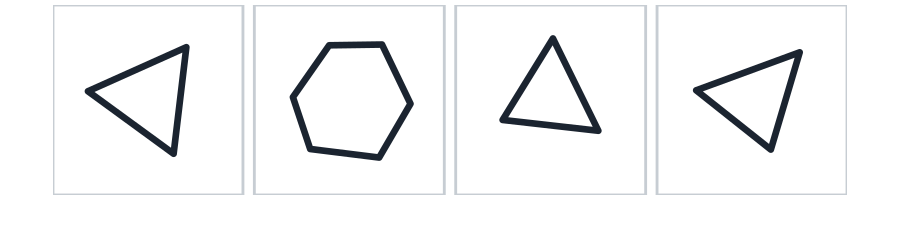
A. Figure A B. Figure B C. Figure C D. Figure D
14. Three of the four figures below are alike in a certain way and so form a group. Which one does NOT belong to that group?
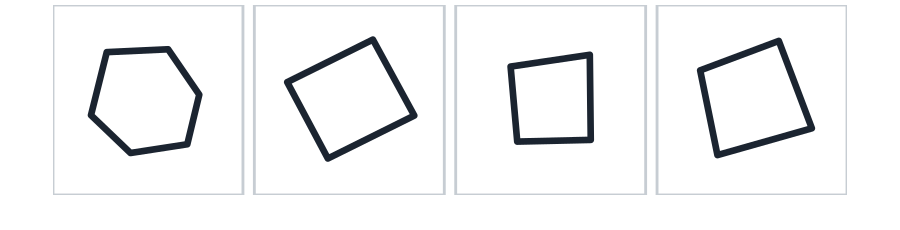
A. Figure A B. Figure B C. Figure C D. Figure D
15. Three of the four figures below are alike in a certain way and so form a group. Which one does NOT belong to that group?
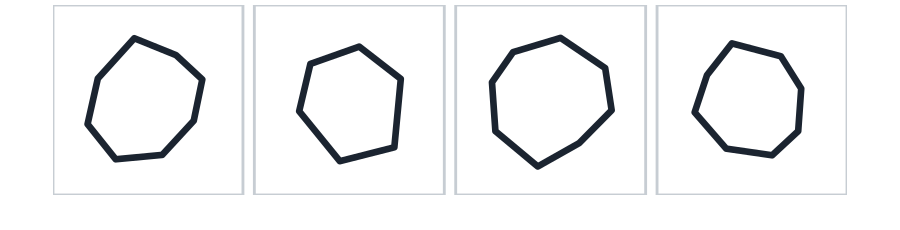
A. Figure A B. Figure B C. Figure C D. Figure D
16. Three of the four figures below are alike in a certain way and so form a group. Which one does NOT belong to that group?
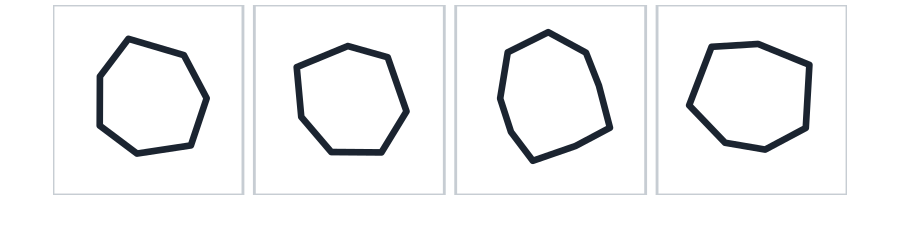
A. Figure A B. Figure B C. Figure C D. Figure D
17. Three of the four figures below are alike in a certain way and so form a group. Which one does NOT belong to that group?
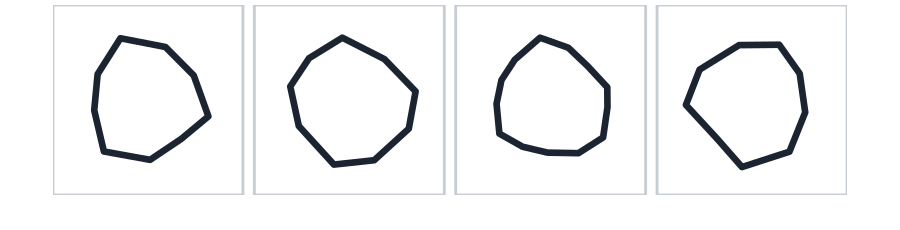
A. Figure A B. Figure B C. Figure C D. Figure D
18. Three of the four figures below are alike in a certain way and so form a group. Which one does NOT belong to that group?
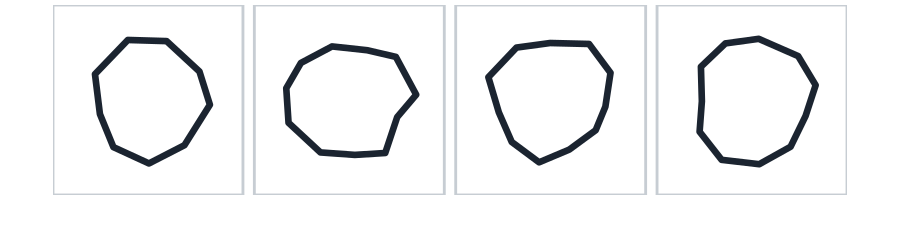
A. Figure A B. Figure B C. Figure C D. Figure D
19. Three of the four figures below are alike in a certain way and so form a group. Which one does NOT belong to that group?
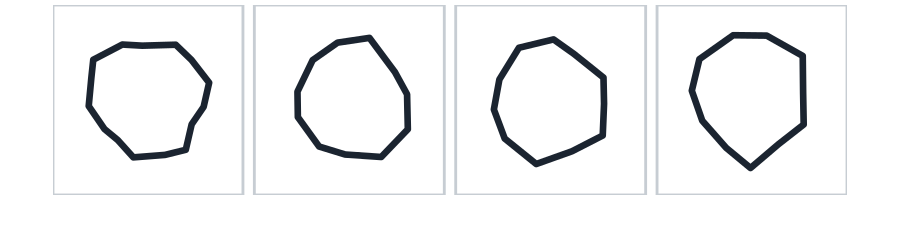
A. Figure A B. Figure B C. Figure C D. Figure D
20. Three of the four figures below are alike in a certain way and so form a group. Which one does NOT belong to that group?
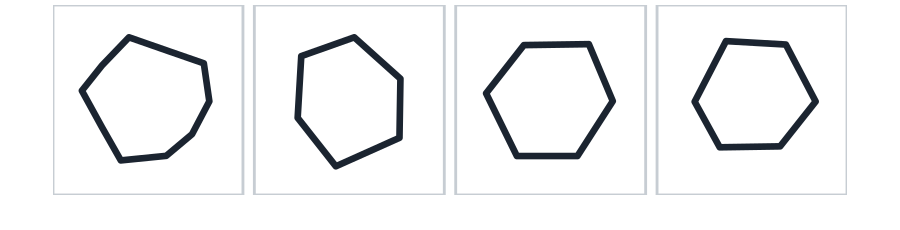
A. Figure A B. Figure B C. Figure C D. Figure D
21. Three of the four figures below are alike in a certain way and so form a group. Which one does NOT belong to that group?
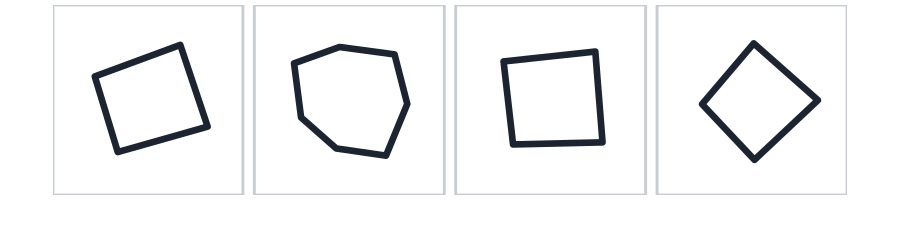
A. Figure A B. Figure B C. Figure C D. Figure D
22. Three of the four figures below are alike in a certain way and so form a group. Which one does NOT belong to that group?
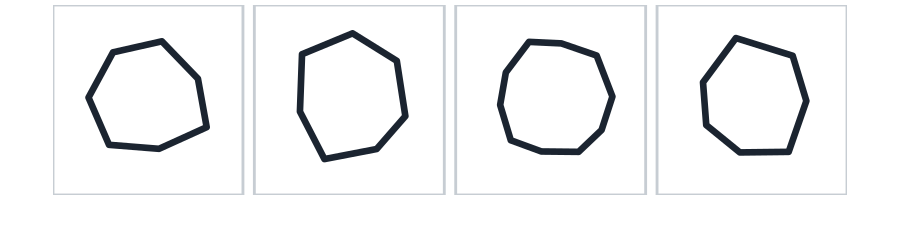
A. Figure A B. Figure B C. Figure C D. Figure D
23. Three of the four figures below are alike in a certain way and so form a group. Which one does NOT belong to that group?
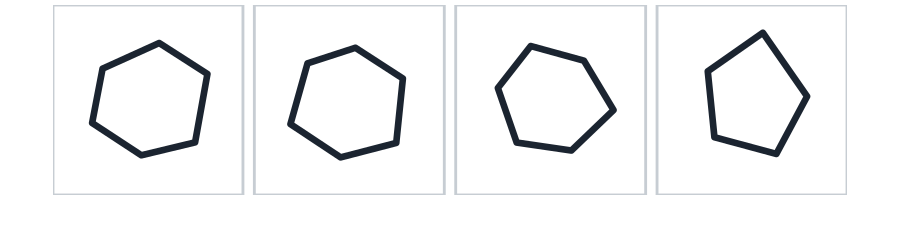
A. Figure A B. Figure B C. Figure C D. Figure D
24. Three of the four figures below are alike in a certain way and so form a group. Which one does NOT belong to that group?
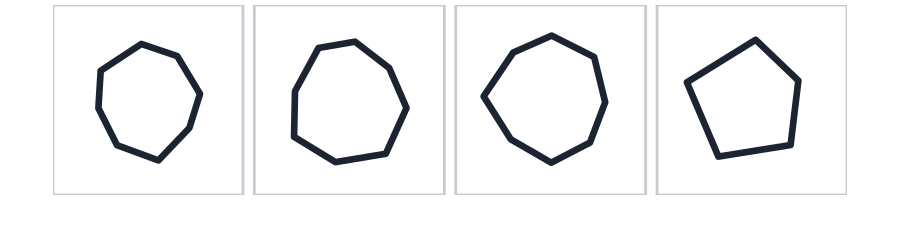
A. Figure A B. Figure B C. Figure C D. Figure D
25. Three of the four figures below are alike in a certain way and so form a group. Which one does NOT belong to that group?
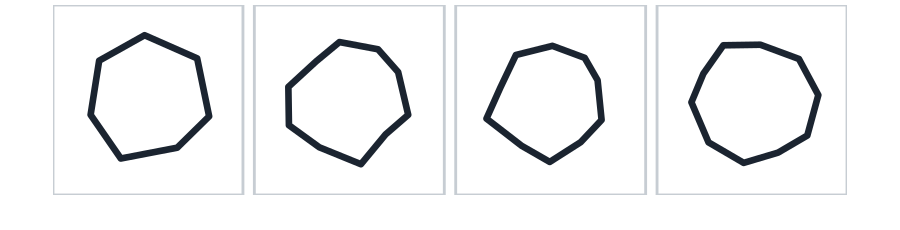
A. Figure A B. Figure B C. Figure C D. Figure D
26. The figure below follows a fixed symmetry pattern across its four quadrants, but one quadrant is missing. Which option correctly completes the missing quadrant?
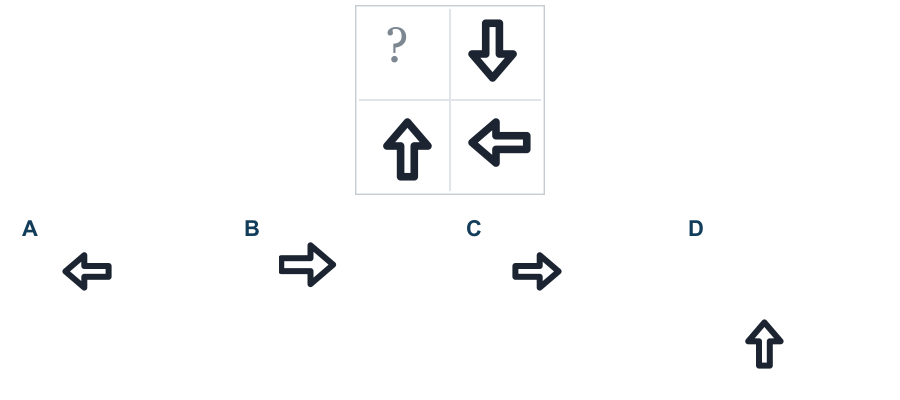
27. The figure below follows a fixed symmetry pattern across its four quadrants, but one quadrant is missing. Which option correctly completes the missing quadrant?
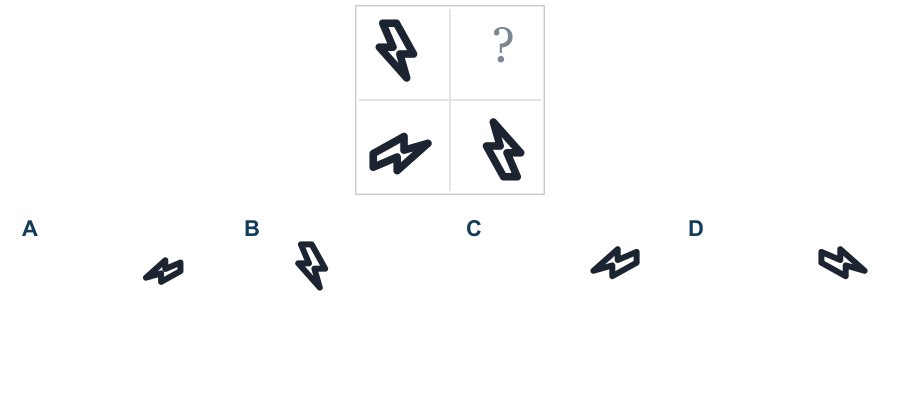
28. The figure below follows a fixed symmetry pattern across its four quadrants, but one quadrant is missing. Which option correctly completes the missing quadrant?
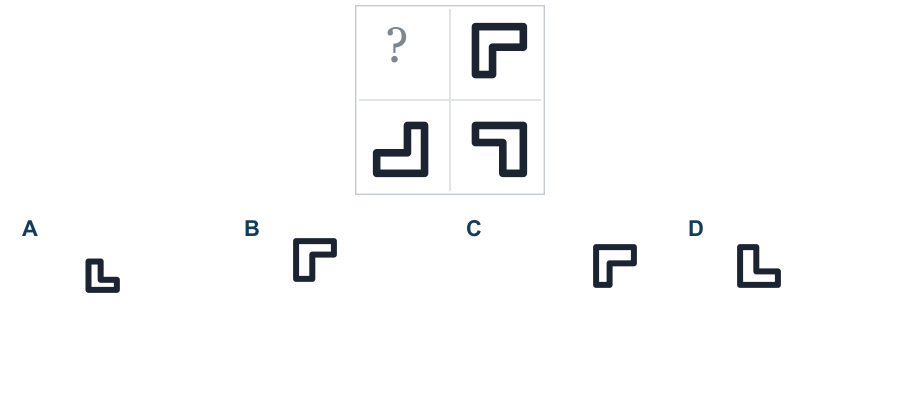
29. The figure below follows a fixed symmetry pattern across its four quadrants, but one quadrant is missing. Which option correctly completes the missing quadrant?
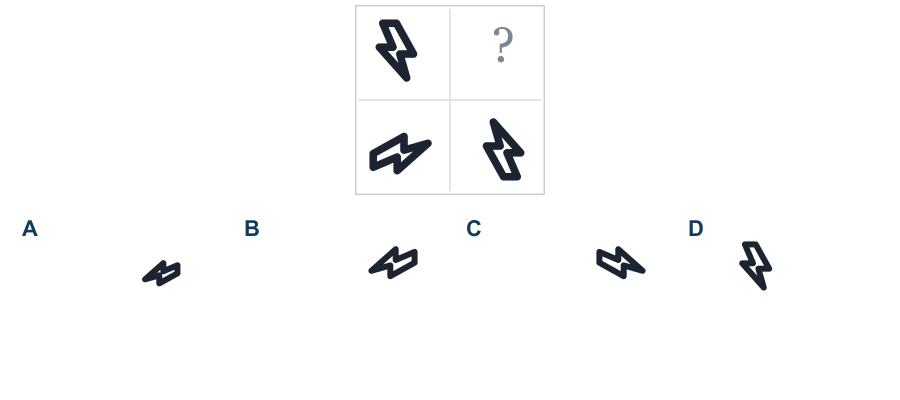
30. The figure below follows a fixed symmetry pattern across its four quadrants, but one quadrant is missing. Which option correctly completes the missing quadrant?
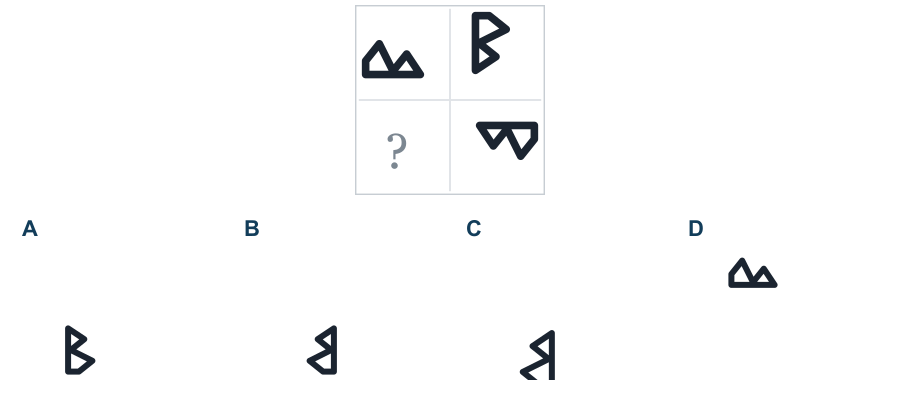
31. The figure below follows a fixed symmetry pattern across its four quadrants, but one quadrant is missing. Which option correctly completes the missing quadrant?
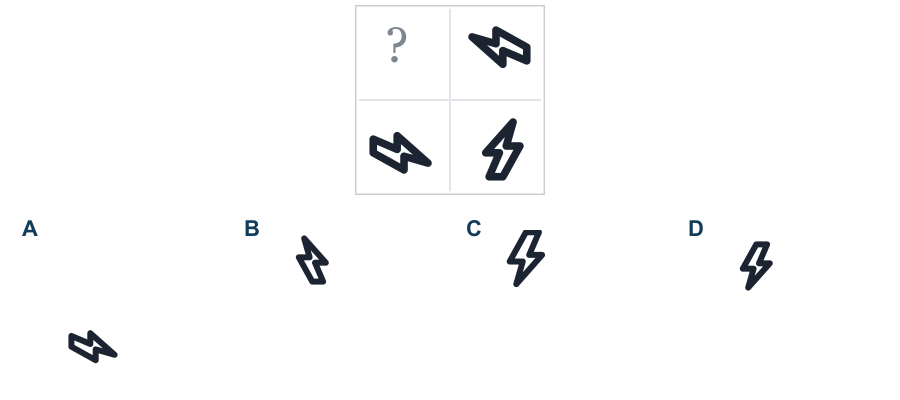
32. The figure below follows a fixed symmetry pattern across its four quadrants, but one quadrant is missing. Which option correctly completes the missing quadrant?
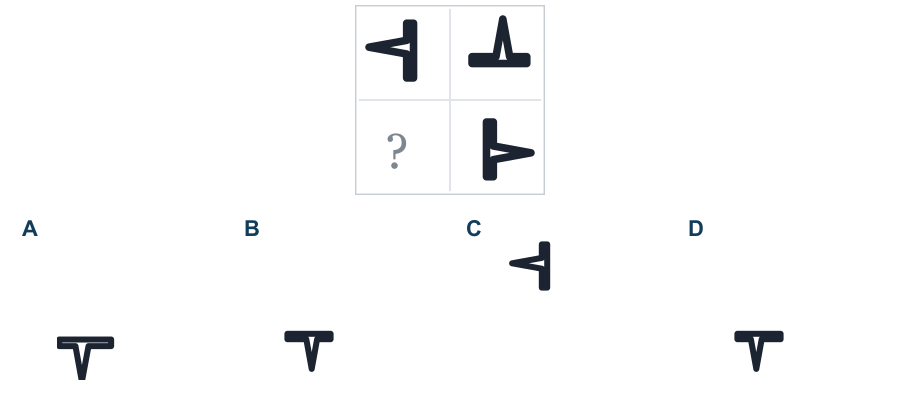
33. The figure below follows a fixed symmetry pattern across its four quadrants, but one quadrant is missing. Which option correctly completes the missing quadrant?
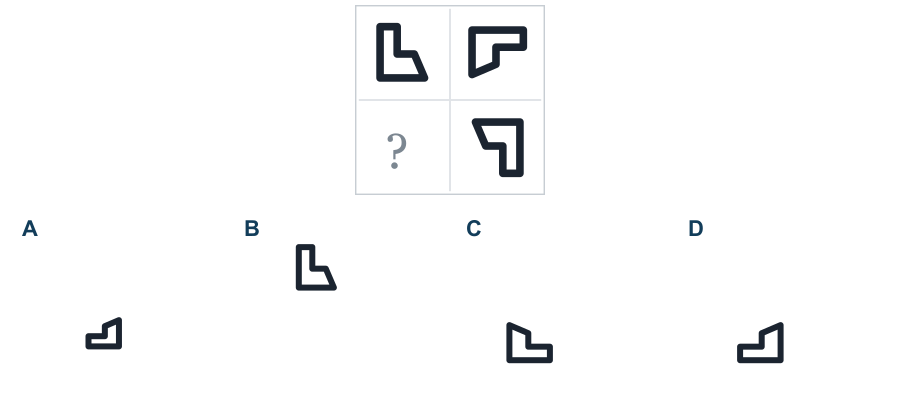
34. The figure below follows a fixed symmetry pattern across its four quadrants, but one quadrant is missing. Which option correctly completes the missing quadrant?
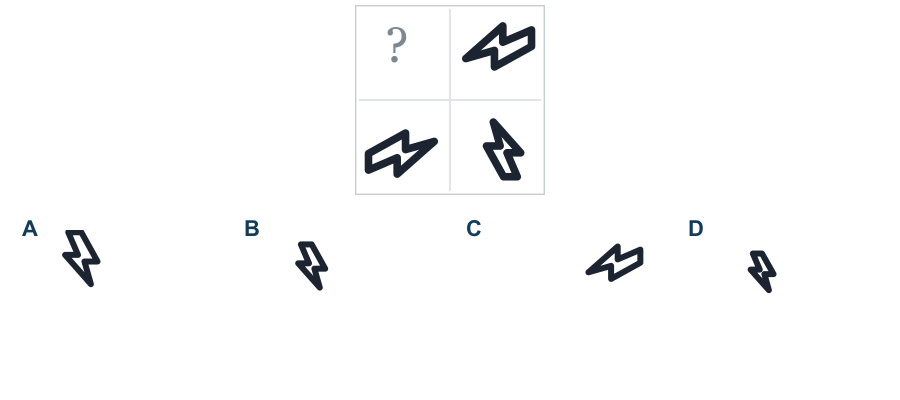
35. The figure below follows a fixed symmetry pattern across its four quadrants, but one quadrant is missing. Which option correctly completes the missing quadrant?
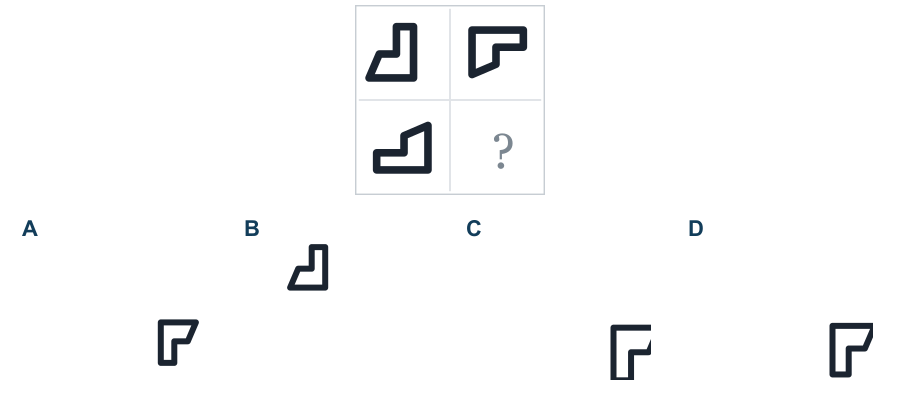
36. The figure below follows a fixed symmetry pattern across its four quadrants, but one quadrant is missing. Which option correctly completes the missing quadrant?
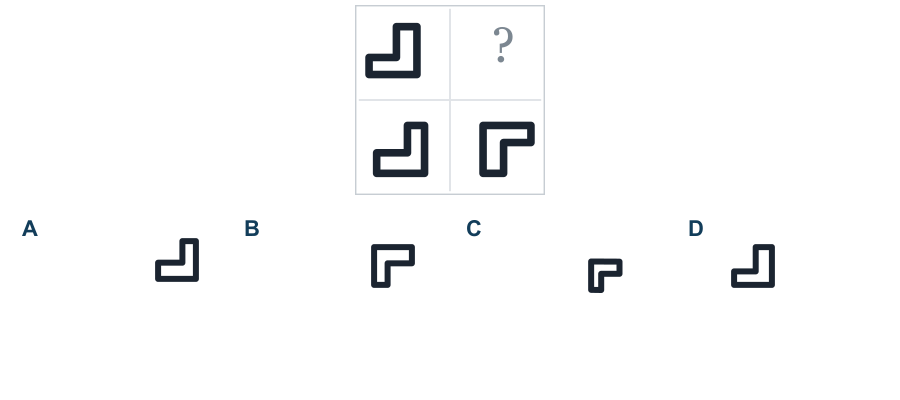
37. The figure below follows a fixed symmetry pattern across its four quadrants, but one quadrant is missing. Which option correctly completes the missing quadrant?
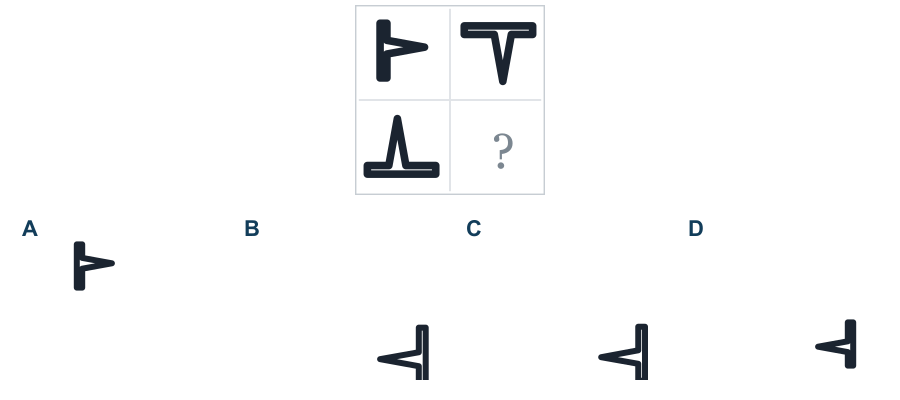
38. The figure below follows a fixed symmetry pattern across its four quadrants, but one quadrant is missing. Which option correctly completes the missing quadrant?
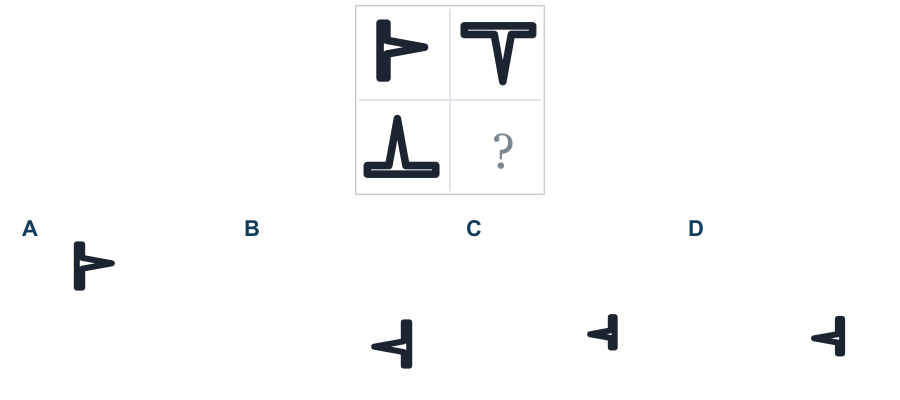
39. The figure below follows a fixed symmetry pattern across its four quadrants, but one quadrant is missing. Which option correctly completes the missing quadrant?
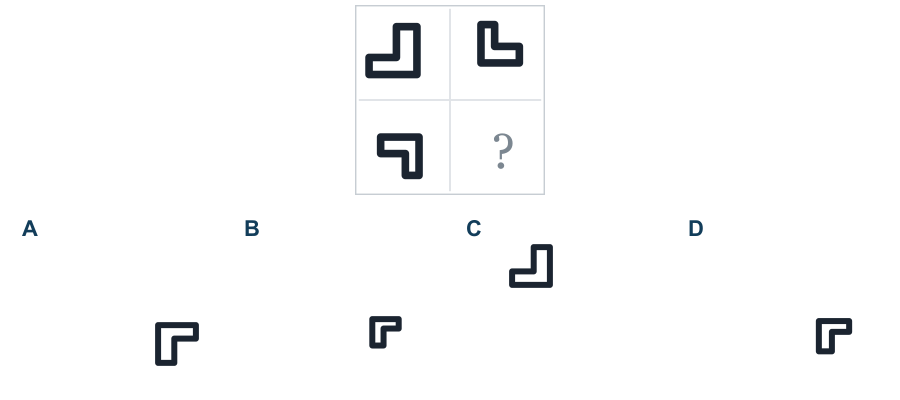
40. The figure below follows a fixed symmetry pattern across its four quadrants, but one quadrant is missing. Which option correctly completes the missing quadrant?
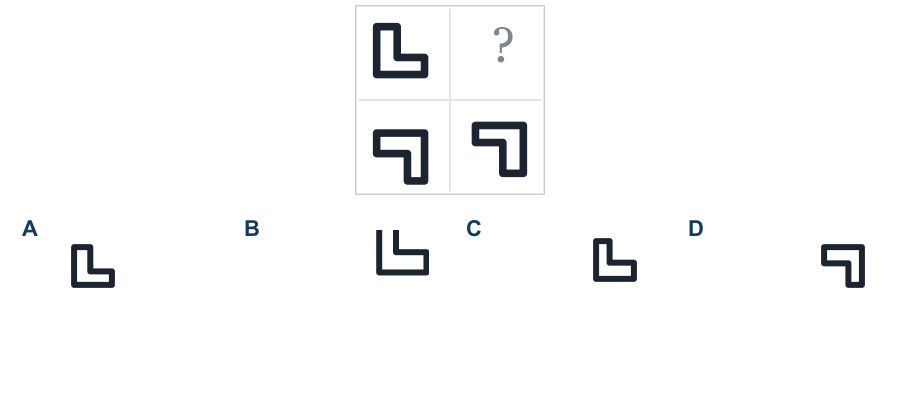
41. The figure below follows a fixed symmetry pattern across its four quadrants, but one quadrant is missing. Which option correctly completes the missing quadrant?
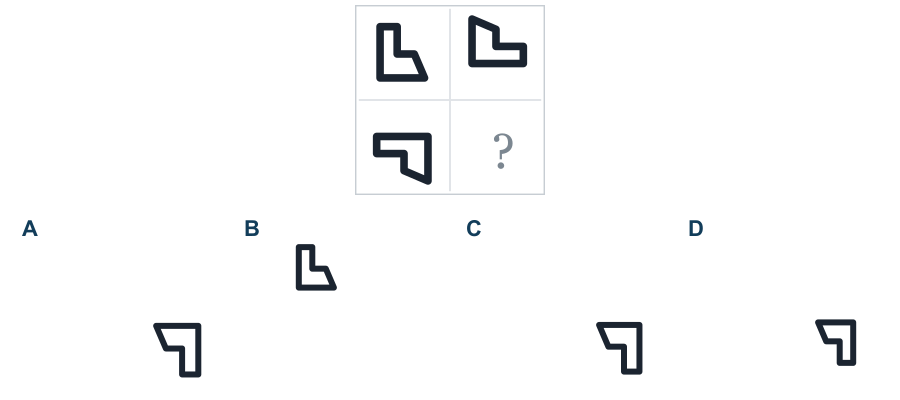
42. The figure below follows a fixed symmetry pattern across its four quadrants, but one quadrant is missing. Which option correctly completes the missing quadrant?
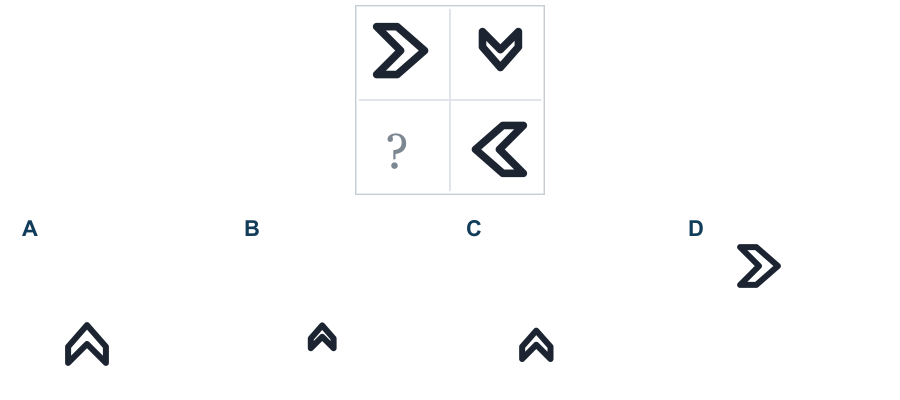
43. The figure below follows a fixed symmetry pattern across its four quadrants, but one quadrant is missing. Which option correctly completes the missing quadrant?
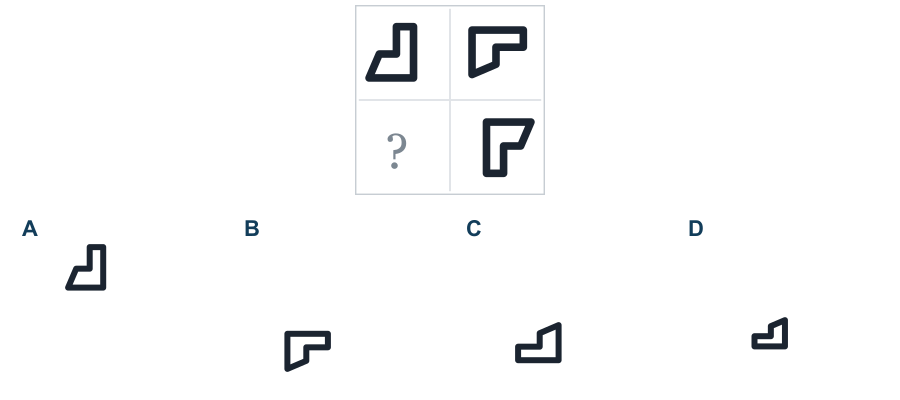
44. The figure below follows a fixed symmetry pattern across its four quadrants, but one quadrant is missing. Which option correctly completes the missing quadrant?
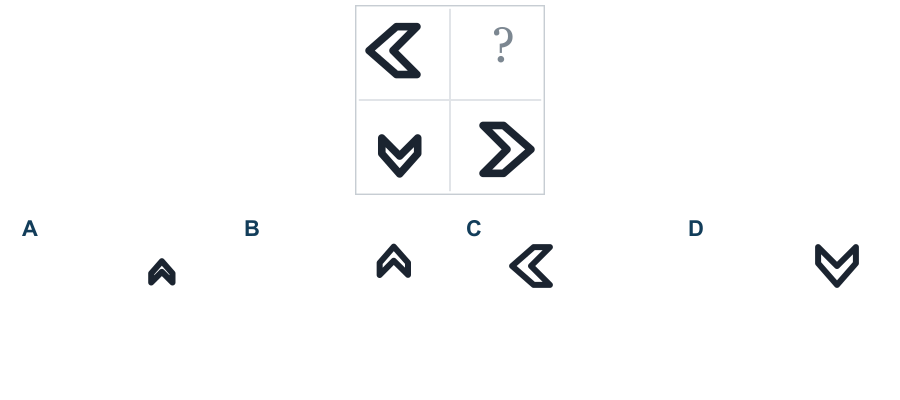
45. The figure below follows a fixed symmetry pattern across its four quadrants, but one quadrant is missing. Which option correctly completes the missing quadrant?
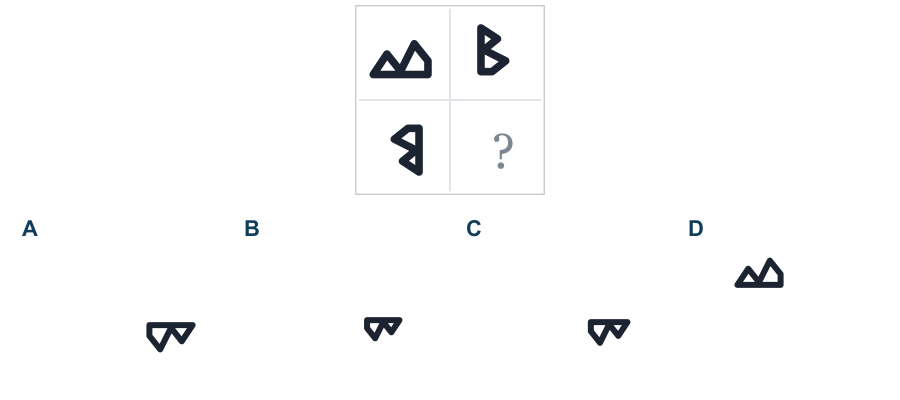
46. The figure below follows a fixed symmetry pattern across its four quadrants, but one quadrant is missing. Which option correctly completes the missing quadrant?
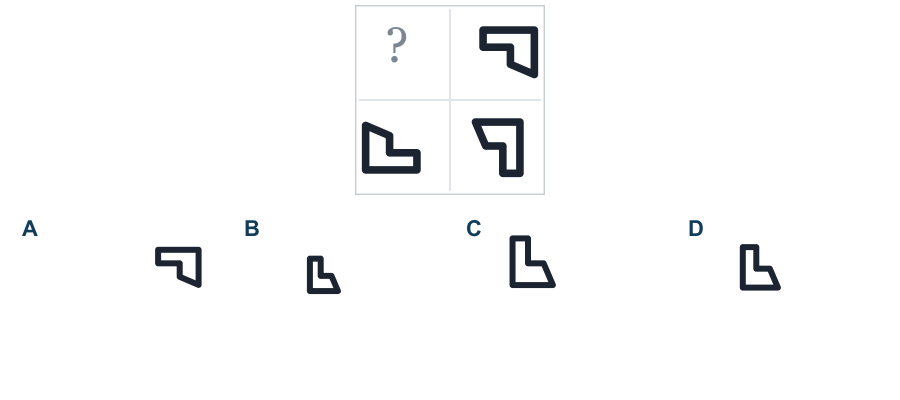
47. The figure below follows a fixed symmetry pattern across its four quadrants, but one quadrant is missing. Which option correctly completes the missing quadrant?
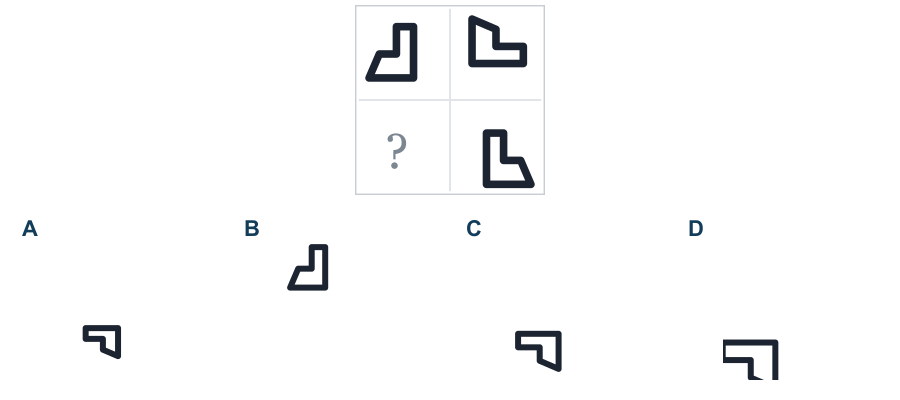
48. The figure below follows a fixed symmetry pattern across its four quadrants, but one quadrant is missing. Which option correctly completes the missing quadrant?
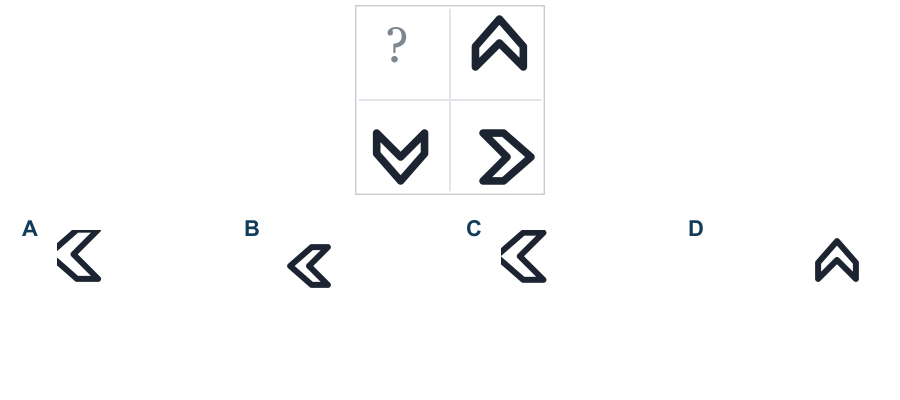
49. The figure below follows a fixed symmetry pattern across its four quadrants, but one quadrant is missing. Which option correctly completes the missing quadrant?
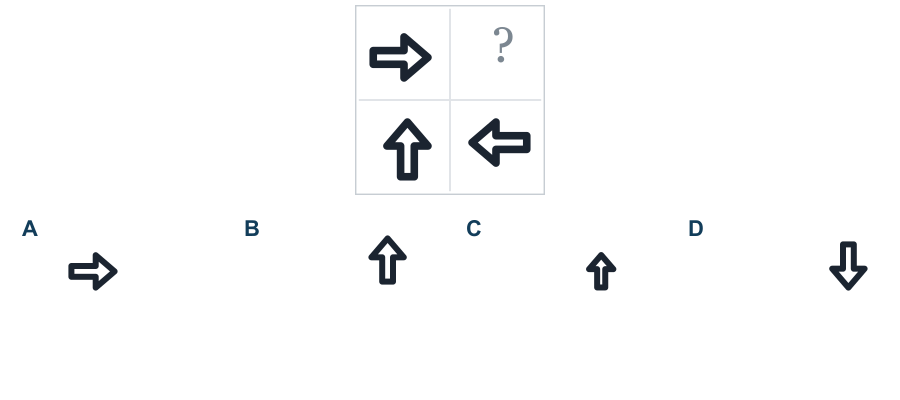
50. The figure below follows a fixed symmetry pattern across its four quadrants, but one quadrant is missing. Which option correctly completes the missing quadrant?
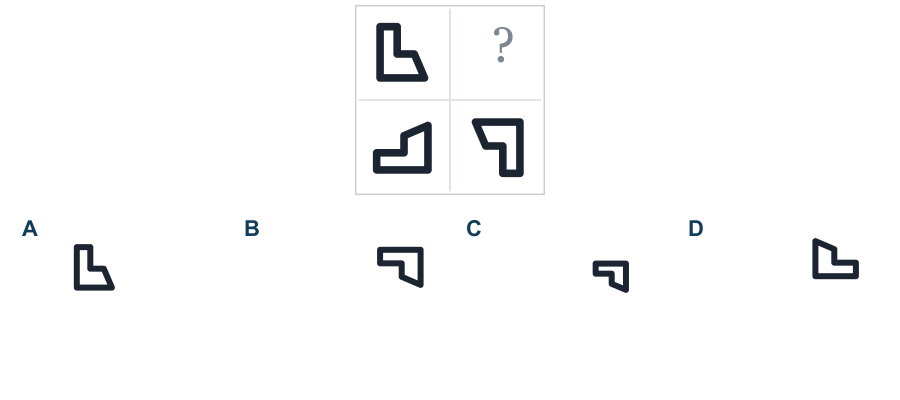
Answers and explanations
After checking the key, explain the rule or diagram transformation to yourself before moving on.
1. B. Figures A, C, D are each closed figures with exactly 6 sides/vertices (hexagons). Figure B has 12 sides/vertices (a 12-sided figure), so it does not belong to the group.
APRS26-12-01 | Classification by side count — hexagon vs 12-sided figure | Easy
2. A. Figures B, C, D are each closed figures with exactly 4 sides/vertices (quadrilaterals). Figure A has 7 sides/vertices (a heptagon), so it does not belong to the group.
APRS26-12-02 | Classification by side count — quadrilateral vs heptagon | Easy
3. C. Figures A, B, D are each closed figures with exactly 12 sides/vertices (12-sided figures). Figure C has 9 sides/vertices (a nonagon), so it does not belong to the group.
APRS26-12-03 | Classification by side count — 12-sided figure vs nonagon | Easy
4. A. Figures B, C, D are each closed figures with exactly 6 sides/vertices (hexagons). Figure A has 12 sides/vertices (a 12-sided figure), so it does not belong to the group.
APRS26-12-04 | Classification by side count — hexagon vs 12-sided figure | Easy
5. A. Figures B, C, D are each closed figures with exactly 9 sides/vertices (nonagons). Figure A has 3 sides/vertices (a triangle), so it does not belong to the group.
APRS26-12-05 | Classification by side count — nonagon vs triangle | Easy
6. D. Figures A, B, C are each closed figures with exactly 9 sides/vertices (nonagons). Figure D has 3 sides/vertices (a triangle), so it does not belong to the group.
APRS26-12-06 | Classification by side count — nonagon vs triangle | Easy
7. D. Figures A, B, C are each closed figures with exactly 6 sides/vertices (hexagons). Figure D has 3 sides/vertices (a triangle), so it does not belong to the group.
APRS26-12-07 | Classification by side count — hexagon vs triangle | Easy
8. B. Figures A, C, D are each closed figures with exactly 9 sides/vertices (nonagons). Figure B has 14 sides/vertices (a 14-sided figure), so it does not belong to the group.
APRS26-12-08 | Classification by side count — nonagon vs 14-sided figure | Easy
9. B. Figures A, C, D are each closed figures with exactly 8 sides/vertices (octagons). Figure B has 11 sides/vertices (a 11-sided figure), so it does not belong to the group.
APRS26-12-09 | Classification by side count — octagon vs 11-sided figure | Medium
10. B. Figures A, C, D are each closed figures with exactly 3 sides/vertices (triangles). Figure B has 7 sides/vertices (a heptagon), so it does not belong to the group.
APRS26-12-10 | Classification by side count — triangle vs heptagon | Medium
11. A. Figures B, C, D are each closed figures with exactly 6 sides/vertices (hexagons). Figure A has 8 sides/vertices (a octagon), so it does not belong to the group.
APRS26-12-11 | Classification by side count — hexagon vs octagon | Medium
12. A. Figures B, C, D are each closed figures with exactly 5 sides/vertices (pentagons). Figure A has 8 sides/vertices (a octagon), so it does not belong to the group.
APRS26-12-12 | Classification by side count — pentagon vs octagon | Medium
13. B. Figures A, C, D are each closed figures with exactly 3 sides/vertices (triangles). Figure B has 6 sides/vertices (a hexagon), so it does not belong to the group.
APRS26-12-13 | Classification by side count — triangle vs hexagon | Medium
14. A. Figures B, C, D are each closed figures with exactly 4 sides/vertices (quadrilaterals). Figure A has 6 sides/vertices (a hexagon), so it does not belong to the group.
APRS26-12-14 | Classification by side count — quadrilateral vs hexagon | Medium
15. B. Figures A, C, D are each closed figures with exactly 8 sides/vertices (octagons). Figure B has 6 sides/vertices (a hexagon), so it does not belong to the group.
APRS26-12-15 | Classification by side count — octagon vs hexagon | Medium
16. C. Figures A, B, D are each closed figures with exactly 7 sides/vertices (heptagons). Figure C has 9 sides/vertices (a nonagon), so it does not belong to the group.
APRS26-12-16 | Classification by side count — heptagon vs nonagon | Medium
17. C. Figures A, B, D are each closed figures with exactly 9 sides/vertices (nonagons). Figure C has 13 sides/vertices (a 13-sided figure), so it does not belong to the group.
APRS26-12-17 | Classification by side count — nonagon vs 13-sided figure | Medium
18. A. Figures B, C, D are each closed figures with exactly 11 sides/vertices (11-sided figures). Figure A has 9 sides/vertices (a nonagon), so it does not belong to the group.
APRS26-12-18 | Classification by side count — 11-sided figure vs nonagon | Medium
19. A. Figures B, C, D are each closed figures with exactly 11 sides/vertices (11-sided figures). Figure A has 15 sides/vertices (a 15-sided figure), so it does not belong to the group.
APRS26-12-19 | Classification by side count — 11-sided figure vs 15-sided figure | Medium
20. A. Figures B, C, D are each closed figures with exactly 6 sides/vertices (hexagons). Figure A has 10 sides/vertices (a 10-sided figure), so it does not belong to the group.
APRS26-12-20 | Classification by side count — hexagon vs 10-sided figure | Medium
21. B. Figures A, C, D are each closed figures with exactly 4 sides/vertices (quadrilaterals). Figure B has 7 sides/vertices (a heptagon), so it does not belong to the group.
APRS26-12-21 | Classification by side count — quadrilateral vs heptagon | Medium
22. C. Figures A, B, D are each closed figures with exactly 7 sides/vertices (heptagons). Figure C has 10 sides/vertices (a 10-sided figure), so it does not belong to the group.
APRS26-12-22 | Classification by side count — heptagon vs 10-sided figure | Difficult
23. D. Figures A, B, C are each closed figures with exactly 6 sides/vertices (hexagons). Figure D has 5 sides/vertices (a pentagon), so it does not belong to the group.
APRS26-12-23 | Classification by side count — hexagon vs pentagon | Difficult
24. D. Figures A, B, C are each closed figures with exactly 8 sides/vertices (octagons). Figure D has 5 sides/vertices (a pentagon), so it does not belong to the group.
APRS26-12-24 | Classification by side count — octagon vs pentagon | Difficult
25. A. Figures B, C, D are each closed figures with exactly 10 sides/vertices (10-sided figures). Figure A has 7 sides/vertices (a heptagon), so it does not belong to the group.
APRS26-12-25 | Classification by side count — 10-sided figure vs heptagon | Difficult
26. C. The figure has 4-fold rotational symmetry: each quadrant is the same shape rotated 90° about the centre from the previous quadrant. Applying this same rule to the missing quadrant's position gives the correct option.
APRS26-12-26 | Pattern completion — arrow | Easy
27. C. The figure has 4-fold rotational symmetry: each quadrant is the same shape rotated 90° about the centre from the previous quadrant. Applying this same rule to the missing quadrant's position gives the correct option.
APRS26-12-27 | Pattern completion — bolt | Easy
28. D. The figure has 4-fold rotational symmetry: each quadrant is the same shape rotated 90° about the centre from the previous quadrant. Applying this same rule to the missing quadrant's position gives the correct option.
APRS26-12-28 | Pattern completion — lshape | Easy
29. B. The figure has 4-fold rotational symmetry: each quadrant is the same shape rotated 90° about the centre from the previous quadrant. Applying this same rule to the missing quadrant's position gives the correct option.
APRS26-12-29 | Pattern completion — bolt | Easy
30. B. The figure has 4-fold rotational symmetry: each quadrant is the same shape rotated 90° about the centre from the previous quadrant. Applying this same rule to the missing quadrant's position gives the correct option.
APRS26-12-30 | Pattern completion — zigzag | Easy
31. D. The figure has 4-fold rotational symmetry: each quadrant is the same shape rotated 90° about the centre from the previous quadrant. Applying this same rule to the missing quadrant's position gives the correct option.
APRS26-12-31 | Pattern completion — bolt | Easy
32. D. The figure has 4-fold rotational symmetry: each quadrant is the same shape rotated 90° about the centre from the previous quadrant. Applying this same rule to the missing quadrant's position gives the correct option.
APRS26-12-32 | Pattern completion — flag | Easy
33. D. The figure has 4-fold rotational symmetry: each quadrant is the same shape rotated 90° about the centre from the previous quadrant. Applying this same rule to the missing quadrant's position gives the correct option.
APRS26-12-33 | Pattern completion — boot | Easy
34. B. Each quadrant is the shape rotated 90° about the centre from the previous one; alternate quadrants are additionally enlarged by a fixed factor. Applying this same rule to the missing quadrant's position gives the correct option.
APRS26-12-34 | Pattern completion — bolt | Medium
35. A. Each quadrant is the shape rotated 90° about the centre from the previous one; alternate quadrants are additionally mirrored (left-right). Applying this same rule to the missing quadrant's position gives the correct option.
APRS26-12-35 | Pattern completion — boot | Medium
36. B. Each quadrant is the shape rotated 90° about the centre from the previous one; alternate quadrants are additionally mirrored (left-right). Applying this same rule to the missing quadrant's position gives the correct option.
APRS26-12-36 | Pattern completion — lshape | Medium
37. D. Each quadrant is the shape rotated 90° about the centre from the previous one; alternate quadrants are additionally enlarged by a fixed factor. Applying this same rule to the missing quadrant's position gives the correct option.
APRS26-12-37 | Pattern completion — flag | Medium
38. B. Each quadrant is the shape rotated 90° about the centre from the previous one; alternate quadrants are additionally enlarged by a fixed factor. Applying this same rule to the missing quadrant's position gives the correct option.
APRS26-12-38 | Pattern completion — flag | Medium
39. A. Each quadrant is the shape rotated 90° about the centre from the previous one; alternate quadrants are additionally shrunk by a fixed factor. Applying this same rule to the missing quadrant's position gives the correct option.
APRS26-12-39 | Pattern completion — lshape | Medium
40. C. Each quadrant is the shape rotated 90° about the centre from the previous one; alternate quadrants are additionally mirrored (left-right). Applying this same rule to the missing quadrant's position gives the correct option.
APRS26-12-40 | Pattern completion — lshape | Medium
41. D. Each quadrant is the shape rotated 90° about the centre from the previous one; alternate quadrants are additionally mirrored (left-right). Applying this same rule to the missing quadrant's position gives the correct option.
APRS26-12-41 | Pattern completion — boot | Medium
42. C. Each quadrant is the shape rotated 90° about the centre from the previous one; alternate quadrants are additionally shrunk by a fixed factor. Applying this same rule to the missing quadrant's position gives the correct option.
APRS26-12-42 | Pattern completion — chevronR | Medium
43. C. Each quadrant is the shape rotated 90° about the centre from the previous one; alternate quadrants are additionally mirrored (left-right). Applying this same rule to the missing quadrant's position gives the correct option.
APRS26-12-43 | Pattern completion — boot | Medium
44. B. Each quadrant is the shape rotated 90° about the centre from the previous one; alternate quadrants are additionally shrunk by a fixed factor. Applying this same rule to the missing quadrant's position gives the correct option.
APRS26-12-44 | Pattern completion — chevronR | Medium
45. A. Each quadrant is the shape rotated 90° about the centre from the previous one; alternate quadrants are additionally shrunk by a fixed factor. Applying this same rule to the missing quadrant's position gives the correct option.
APRS26-12-45 | Pattern completion — zigzag | Medium
46. D. Each quadrant is the shape rotated 90° about the centre from the previous one; alternate quadrants are additionally mirrored (top-bottom). Applying this same rule to the missing quadrant's position gives the correct option.
APRS26-12-46 | Pattern completion — boot | Medium
47. C. Each quadrant is the shape rotated 90° about the centre from the previous one; only one quadrant (the 3rd in rotation order) is additionally mirrored (top-bottom). Applying this same rule to the missing quadrant's position gives the correct option.
APRS26-12-47 | Pattern completion — boot | Difficult
48. B. Each quadrant is the shape rotated 90° about the centre from the previous one; only one quadrant (the 3rd in rotation order) is additionally mirrored (top-bottom). Applying this same rule to the missing quadrant's position gives the correct option.
APRS26-12-48 | Pattern completion — chevronR | Difficult
49. B. Each quadrant is the shape rotated 90° about the centre from the previous one; only one quadrant (the 2nd in rotation order) is additionally mirrored (left-right). Applying this same rule to the missing quadrant's position gives the correct option.
APRS26-12-49 | Pattern completion — arrow | Difficult
50. B. Each quadrant is the shape rotated 90° about the centre from the previous one; only one quadrant (the 2nd in rotation order) is additionally mirrored (top-bottom). Applying this same rule to the missing quadrant's position gives the correct option.
APRS26-12-50 | Pattern completion — boot | Difficult